
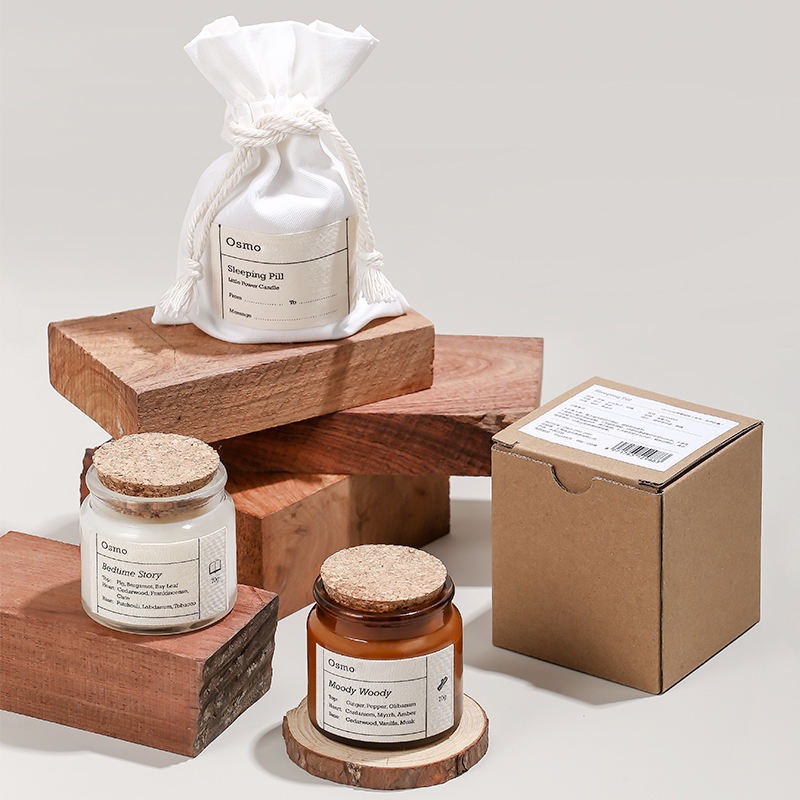
Starting a candle business can be an enriching experience. Whether you’re passionate about eco-friendly products, love crafting unique scents, or simply seek a fun and profitable way to express your creativity, launching a candle business offers numerous opportunities.
This blog will guide you through every step of the process, from initial market research to selling your first candle. Let’s set the stage for a successful journey into the candle industry, where your flair for creativity meets business acumen.
Market Research and Business Plan
Understanding Your Market
The first vital step in starting any business is understanding who your customers are and what they desire. Is your target market eco-conscious consumers who prefer natural products like soy or beeswax candles? Or perhaps your ideal customer is more interested in luxury, highly fragrant candles for home décor? Conducting surveys, exploring online forums, and reviewing existing data on candle sales can provide insights into consumer preferences and trends.
Competitive Analysis
Next, take a close look at your competitors. Who are they, what do they offer, and how do they market their products? Analyzing competitors helps you identify what works in the current market and what gaps you might fill with your unique products. Look at both local and major players in the candle industry to understand pricing strategies, marketing tactics, and product variety.
Crafting Your Unique Selling Proposition
Based on your market understanding and competitive analysis, define what makes your candle business stand out. Maybe you offer candles that are 100% organic with exotic scents that aren’t available elsewhere, or perhaps your candles come with customizable options that appeal to a broad audience. Your USP is what will capture attention and attract customers.
Developing a Business Model
Decide how you want to sell your candles. Will you focus on online sales through your own e-commerce website, or perhaps via platforms like Etsy and Amazon? Or do you see your products on the shelves of local boutiques and gift shops? Maybe a combination of several sales channels will work best for you. Each option has different implications for cost, reach, and marketing strategies.
Writing a Business Plan
With a clear understanding of your market, competitors, and business model, it’s time to draft a business plan. This document should outline your business goals, target market, marketing and sales strategy, financial projections, and details about operations. It acts as a roadmap for your business and is essential if you’re seeking financing or investors.
By thoroughly researching and planning, you set a strong foundation for your candle business. This preparatory stage is vital for understanding the landscape in which you will operate and strategizing accordingly.
Legal and Administrative Steps
When launching your candle business, addressing legal and administrative requirements is essential to ensure that your operations are legitimate and compliant with all regulations.
Here’s a detailed guide to help you navigate these aspects.
Choosing and Registering Your Business Name
- Business Name Selection
Choose a name that reflects your brand identity and is easy to remember. Make sure it resonates with your product offerings and marketing strategy.
- Name Availability Check
Before finalizing, check if the business name is available. This can typically be done through your state’s business registry website or a similar entity.
- Registration
Register your business name with the appropriate government authority to protect it and to formalize your business entity.
Establishing Your Business Structure
- Business Entity Type
Decide on the type of legal structure for your business. Common types for small businesses include sole proprietorships, limited liability companies (LLCs), and corporations. Each has different implications for liability, taxes, and ongoing requirements.
- Registration
Register your business with state and federal governments to obtain a legal status. This may involve filing articles of incorporation for corporations or articles of organization for LLCs.
Licenses and Permits
- Business Licenses
Depending on your location, you may need a general business license to legally operate.
- Special Permits
Candle making involves handling flammable materials, so check if there are specific permits required for manufacturing, especially in a home-based setting.
- Health and Safety Regulations
Ensure compliance with local health and safety regulations to avoid any legal issues that could arise from improper handling of materials or unsafe production practices.
Insurance
- Liability Insurance
This is imperative for protecting your business against claims of property damage or personal injury caused by your products.
- Property Insurance
If you own or lease a space for your business, property insurance will cover equipment and inventory in cases of damage or theft.
- Product Liability Insurance
Specifically important for businesses that manufacture goods, this insurance protects against claims related to product defects that cause harm to consumers.
Tax Registration
- Employer Identification Number (EIN)
Obtain an EIN from the IRS for tax purposes, especially if you plan to hire employees.
- Sales Tax Permit
If your state charges sales tax, you will likely need to register for a sales tax permit to collect tax on sales from customers.
- Tax Obligations
Understand your tax obligations including income tax, sales tax, and any other specific taxes that might apply to your business operations and product sales.
Intellectual Property Considerations
- Trademarks
Consider registering a trademark for your brand name and logo to protect your brand identity from being used by others.
- Copyrights
If you create unique designs or content, copyright protection can ensure your creative assets are legally protected.
By carefully managing these legal and administrative steps, you’ll not only protect your business from potential legal troubles but also build a strong foundation for its successful operation. It’s advisable to consult with a legal expert or attorney who specializes in business law to ensure that all your bases are covered and that you comply with all local, state, and federal laws. This proactive approach will facilitate smoother operations and help avoid any legal issues as your business grows.
Product Development
Developing your product line is one of the most exciting parts of starting a candle business. This phase involves selecting the types of candles you will make, sourcing materials, testing your products, and designing packaging that appeals to your target market.
Here’s a detailed breakdown of each step in the product development process.
Candle Types and Features
- Selection of Wax
Choose the type of wax that will form the base of your candles. Popular options include soy wax, beeswax, paraffin, and palm wax, each with its own benefits and characteristics.
Soy Wax
Properties
Natural: Made from soybeans, it’s a renewable resource and biodegradable.
Burn Time: Soy wax burns slower and at a lower temperature, typically resulting in a longer-lasting candle compared to paraffin wax.
Scent Throw: Excellent at holding onto scents and releasing them gradually, making it ideal for scented candles.
Benefits
Eco-Friendly: Produces minimal soot and is more environmentally friendly than paraffin wax.
Vegan: A good choice for customers looking for animal product-free options.
Clean Burning: Offers a cleaner burn, which is appealing to health-conscious consumers.
Beeswax
Properties
Natural: Harvested from beehives, and naturally scented by the honey and floral nectar in the honeycomb.
Burn Time: Has a high melting point, which generally leads to a very long burn time.
Scent Throw: Subtly emits its natural, lightly sweet scent without added fragrances.
Benefits
Air Purification: Claimed to release negative ions that help purify the air, an appealing attribute for wellness-focused markets.
Non-Toxic: Does not release toxins as it burns.
Heritage Appeal: Often preferred for traditional or ceremonial uses due to its natural origins.
Paraffin Wax
Properties
Derived From: A byproduct of the crude oil refinement process.
Burn Time: Tends to burn faster than beeswax or soy wax.
Scent Throw: Highly effective at releasing scent quickly and potently, making it popular in heavily scented candles.
Benefits
Cost-Effective: Generally less expensive than natural wax alternatives, which can help manage production costs.
Versatility: Available in various melting points which can be suited for different types of candles (votive, pillar, etc.).
Finish: Provides a smooth, clean finish that is visually appealing.
Palm Wax
Properties
Natural: Made from palm oil, this wax is natural and renewable.
Burn Time: Comparable to soy wax, it offers a long burn time.
Scent Throw: Holds scent well, though perhaps not as strongly as paraffin.
Benefits
Unique Textures: Can create interesting patterns and textures in the candles, like a crystalline or feathered effect.
Sustainability: When sourced responsibly, it can be an eco-friendly option.
Stability: Excellent for creating harder candles that hold their shape well.
- Wicks
Select the right type of wick, which is significant for ensuring a clean, even burn. Options include cotton wicks, wood wicks, or braided wicks, each suited to different types of candles and wax formulations.
- Scents and Dyes
Decide whether to offer scented or unscented candles. For scented candles, source high-quality essential oils or fragrance oils that are safe for burning. Additionally, consider whether to use dyes to color your candles, which can enhance their aesthetic appeal.
Sourcing Materials
- Suppliers
Identify reliable suppliers for the raw materials you need. Consider factors such as cost, quality, supply chain stability, and whether they align with your business values (e.g., eco-friendliness).
- Sustainability
If sustainability is a key part of your brand, source materials that are renewable, sustainably produced, and environmentally friendly.
- Cost-Effectiveness
Balance quality and cost-effectiveness. While higher-quality materials may cost more, they can also justify a higher price point for your candles.
Product Testing
- Prototype Development
Create prototype candles to experiment with different combinations of wax, wicks, scents, and colors.
- Burn Tests
Conduct thorough burn tests to ensure your candles burn safely and effectively. Note how long they burn, whether they produce soot, and how well the scent is dispersed.
- Feedback
Share your prototypes with a test group or solicit feedback from potential customers. Use this feedback to refine your product.
Packaging Design
- Functionality
Design packaging that not only looks appealing but also protects your candles during storage and transport. Consider the size, shape, and materials used in your packaging.
- Branding
Ensure your packaging reflects your brand identity and appeals to your target audience. It should clearly communicate your brand’s message and values.
- Sustainability
If appropriate for your brand, use recyclable or biodegradable packaging materials to appeal to environmentally conscious consumers.
Compliance and Safety
Labeling Requirements
Familiarize yourself with labeling requirements for candles, which may include safety warnings, ingredients, and burn instructions. Compliance with these regulations is pivotal.
Quality Control
Establish a consistent system for quality control to ensure each batch of candles meets your established standards before they go to market.
Product development is a dynamic and ongoing process. As you grow your candle business, continue to innovate and expand your product line based on customer feedback and market trends. This approach will help keep your offerings fresh and engaging, encouraging repeat business and helping you stand out in a competitive market.
Branding and Marketing
Developing a strong brand identity and implementing an effective marketing strategy are essential components for the success of your candle business. Here’s how to approach branding and marketing:
Branding
- Logo and Visual Elements
Design a logo that captures the essence of your brand. It should resonate with your target audience and be memorable. Consistent use of colors, fonts, and styles across all your materials will help reinforce your brand identity.
- Brand Voice
Define the tone and style of your communication. Whether it’s friendly, professional, whimsical, or sophisticated, ensure it aligns with your target audience’s preferences and expectations.
- Unique Selling Proposition (USP)
Clearly articulate what sets your candles apart from competitors. This could be the quality of ingredients, unique scents, customization options, eco-friendly practices, or a combination of these elements.
Marketing
Marketing Strategy Development
Target Market Analysis: Understand who your customers are, where they shop, what media they consume, and what appeals to them. This understanding will guide where and how you market your products.
Marketing Mix: Decide on the right combination of product, price, place, and promotion for your candles.
Content Marketing: Create engaging content that can help tell your brand’s story and educate your audience about your candles. This can include blog posts, videos, tutorials, or infographics about candle care, the benefits of different waxes, etc.
Digital Marketing
Social Media: Utilize platforms like Instagram, Pinterest, and Facebook, where visuals play a key role, to showcase your products and engage directly with customers. Regular posts, interactive stories, and featured reviews can help build community and brand loyalty.
Email Marketing: Build an email list and engage subscribers with updates, promotions, and personalized offers. Newsletters can provide value through tips on candle care, news about upcoming product launches, or behind-the-scenes content.
SEO and Online Advertising: Optimize your website for search engines to increase organic traffic. Consider paid ads on Google and social media to reach a broader audience quickly.
Offline Marketing
Craft Fairs and Local Markets: Participate in local events to increase brand visibility and connect directly with customers. These venues are ideal for showcasing the sensory aspects of your candles—such as scent and texture—which can’t be fully conveyed online.
Retail Partnerships: Establish relationships with local boutiques and shops to carry your products. Select partners whose brand values align with yours and who cater to your target market.
Promotional Materials: Invest in high-quality promotional materials like business cards, flyers, and posters that reflect your brand’s identity and can be used at events or in packaging.
Launch Strategies
Consider launching with a special promotion or event to generate excitement and attract initial customers. Limited-time offers, giveaways, or launch parties (either virtual or in-person) can create buzz around your new business.
Effective branding and marketing not only help in attracting customers but also in building a loyal community around your brand. Remember, consistency is key across all your branding and marketing efforts. As your business grows, continually refine your strategies based on customer feedback and market trends to stay relevant and competitive.
Production Setup
Setting up your production process efficiently is essential for ensuring the quality and consistency of your candles.
Here’s a step-by-step guide to help you establish a reliable production setup for your candle business.
Workspace Setup
Location Selection: Choose a space that can accommodate your production size and is compliant with local zoning laws. This can be a dedicated room in your home, a rented studio, or a commercial space, depending on your business scale.
Safety Compliance: Ensure that your workspace adheres to local fire codes and safety regulations, especially since you’ll be handling flammable materials. Install fire extinguishers, ensure proper ventilation, and establish clear safety protocols.
Ergonomics and Efficiency: Organize your workspace to maximize efficiency and ease of movement. Consider the workflow from raw materials to finished products, including storage, production, and packing areas.
Equipment and Tools
Essential Equipment: Acquire the basic tools and equipment needed for candle making, which may include melting pots, thermometers, scales, pouring pitchers, stirring utensils, and molds.
Advanced Equipment: As your business grows, consider investing in more advanced equipment such as automated wax melters and filling machines to increase production capacity and efficiency.
Maintenance: Regularly maintain and clean equipment to ensure optimal functionality and prolong its lifespan.
Material Sourcing
Supplier Relationships: Establish reliable relationships with suppliers for consistent quality and supply of raw materials like wax, wicks, scents, dyes, and containers.
Inventory Management: Keep track of inventory levels to ensure you always have enough materials on hand without overstocking. Consider using inventory management software to streamline this process.
Production Process
Standard Operating Procedures (SOPs): Develop detailed SOPs for every aspect of the candle-making process to ensure consistency and quality. This should include steps for melting wax, adding fragrances and colors, wick-centering, cooling, and post-production finishing.
Batch Production: Organize production into batches to streamline operations and manage workload effectively. Batch tracking can also help with quality control and in identifying issues in specific production runs.
Quality Control: Implement regular quality checks throughout the production process. Inspect the final products for defects like uneven surfaces, air bubbles, or wick placement issues.
How to make scented candles[step by step guide]
Scaling Production
Automation: Assess opportunities for automating parts of your production as your business grows. Automation can help increase output and reduce labor costs.
Outsourcing: Consider outsourcing certain production elements if it becomes cost-effective and doesn’t compromise your brand’s quality standards.
Continuous Improvement: Regularly review and refine your production processes based on feedback and new technologies or techniques that could enhance product quality or efficiency.
Environmental Considerations
Waste Management: Implement strategies for minimizing waste, such as recycling wax scraps and using eco-friendly materials.
Sustainable Practices: Explore sustainable production practices that can reduce your environmental impact and appeal to eco-conscious consumers.
Launch
Launching your candle business is a critical phase where careful planning and execution come into play. This stage not only sets the tone for your brand but also helps establish your presence in the market.
Here’s how to effectively manage the launch of your candle business.
Pre-Launch Preparations
Final Product Testing: Ensure that all your products have gone through thorough testing including burn tests, scent throw assessments, and safety checks. This will confirm that your candles meet industry standards and your own quality criteria.
Inventory Buildup: Stock up on enough inventory to meet anticipated demand. This includes not just the candles but also packaging materials and any promotional items.
Launch Strategy: Develop a detailed launch strategy that outlines key activities, timelines, and responsibilities. This strategy should include both online and offline marketing efforts to maximize reach.
Soft Launch
Purpose: The soft launch is intended to test your business processes, gather initial customer feedback, and adjust your product offerings based on real-world customer interactions.
Limited Release: Introduce your products to a select group of customers. This could be friends, family, or loyal followers who have shown interest in your teasers.
Feedback Collection: Use this phase to collect detailed feedback on everything from product quality to customer service. This feedback is paramount for making adjustments before the wider public launch.
Operational Tweaks: Refine your production, fulfillment, and customer service processes based on the insights gathered during the soft launch.
Marketing and Promotion
Branding Materials: Ensure all branding materials, such as your website, social media profiles, and packaging, are fully developed and aligned with your brand identity.
Teaser Campaigns: Generate interest and buzz around your brand before the launch through teaser posts on social media, sneak peeks, or previews sent out to your mailing list.
Launch Offers: Attract initial customers with launch offers such as discounts, bundled deals, or limited-time products. These can encourage early purchases and help spread the word.
Official Launch Event
Choose the Format: Depending on your target market and product, decide whether an online launch, a physical event, or a combination of both will be most effective. An online launch can include live videos, virtual tours of your production facility, or interactive sessions with followers.
Public Relations: Reach out to bloggers, influencers, and local media to cover your launch. Sending out press releases or free samples can help garner media attention and attract a larger audience.
Customer Engagement: During the launch, actively engage with customers through live chats, Q&A sessions, and responsive social media interaction. This helps build relationships and encourages community among your customers.
Post-Launch Activities
Collect Feedback: Gather customer feedback on various aspects of your products and the overall purchasing experience. This can provide valuable insights for immediate improvements and future product development.
Analyze Performance: Review the performance of your launch against your set objectives. Look at sales data, customer engagement metrics, and any promotional campaign data to understand what worked and what didn’t.
Thank You Notes: Send thank you notes or emails to your first customers, expressing gratitude and encouraging them to return. This can foster customer loyalty and positive word-of-mouth.
Continuous Improvement
Iterative Process: Use the insights gained from your launch to refine your marketing strategies, product offerings, and customer service practices.
Stay Active: Keep the momentum going with regular updates, new content, and ongoing promotions to keep your audience engaged and attract new customers.
Launching your candle business is just the beginning of your entrepreneurial journey. By carefully planning and executing your launch, and then using the momentum to continue building your brand, you can establish a strong presence in the competitive market.
Remember, the goal is not just to launch successfully but to set the foundation for sustainable growth and ongoing engagement with your customers.
Business Growth and Scaling
Expanding your candle business requires strategic planning and careful execution. As your business grows, you’ll need to scale operations, diversify your product offerings, and enhance your market presence.
Here’s a structured approach to guide your business growth and scaling efforts.
Assessing Business Performance
Performance Metrics: Regularly review key performance indicators (KPIs) such as sales growth, customer retention rates, and profitability. This data will help you understand which areas of your business are thriving and which need improvement.
Customer Feedback: Continuously gather and analyze customer feedback to identify trends, preferences, and areas for product or service enhancement.
Market Trends: Stay informed about industry trends and shifts in consumer behavior to anticipate changes and adapt your business strategies accordingly.
Enhancing Production Capacity
Automation: Invest in automation technologies to streamline production processes, reduce labor costs, and increase output without compromising quality.
Facility Expansion: Consider expanding your production facilities or moving to a larger location if space becomes a constraint to your growing operations.
Supplier Relations: Strengthen relationships with key suppliers or diversify your supplier base to ensure reliability and cost-effectiveness as demand increases.
Product and Market Diversification
New Product Development: Based on customer feedback and market research, develop new products or variations of existing products (e.g., new scents, eco-friendly options, seasonal specials).
Market Expansion: Explore new markets by targeting different customer segments or expanding into new geographic areas, both domestically and internationally.
Collaborations and Partnerships: Form strategic partnerships with other brands or businesses that can offer complementary products, expanded distribution channels, or co-marketing opportunities.
Marketing and Sales Enhancement
Digital Marketing: Scale up your digital marketing efforts to reach a broader audience. Optimize your website for SEO, expand your content marketing, and leverage social media platforms more effectively.
Sales Channels: Expand your sales channels by exploring wholesale, retail, or online marketplaces in addition to your existing sales avenues.
Customer Loyalty Programs: Develop loyalty programs or promotional offers to retain existing customers and attract new ones.
Building a Scalable Team
Hiring: As your business grows, you’ll need to hire additional staff to manage increased operational demands. Look for individuals who not only have the required skills but also fit your company culture.
Training and Development: Invest in training programs to enhance the skills of your team and improve productivity.
Leadership Development: Identify and develop potential leaders within your team to take on managerial roles as the business expands.
Financial Management and Funding
Budgeting and Financial Planning: Regularly update your financial plans to manage cash flow effectively and allocate resources where they are needed most.
Funding for Growth: Explore different funding options such as loans, investors, or crowdfunding to support expansion activities.
Risk Management: Implement strategies to mitigate financial and operational risks associated with scaling a business.
Continuous Innovation
Feedback Loop: Maintain a robust feedback loop with customers, employees, and partners to keep improving and innovating.
Research and Development: Invest in R&D to continuously improve your products and explore new business opportunities.
Scaling a business is an ongoing process that requires attention to detail, strategic planning, and a proactive approach to adapting to market changes. By focusing on these areas, you can successfully grow and scale your candle business, ensuring long-term sustainability and success.
Conclusion
Embarking on the journey of starting and growing a candle business offers both exciting opportunities and significant challenges.
By understanding the intricacies of product development, mastering the art of branding and marketing, setting up efficient production processes, and managing your business finances, you can establish a strong foundation for success.
Remember, the key to thriving in this industry lies not only in creating a quality product but also in continuously engaging with your customers and adapting to market trends. As you navigate through these steps, maintain your passion and creativity, which are the true sparks that will keep your business glowing brightly.
With dedication and strategic planning, you can illuminate the path to a prosperous and rewarding candle-making business.